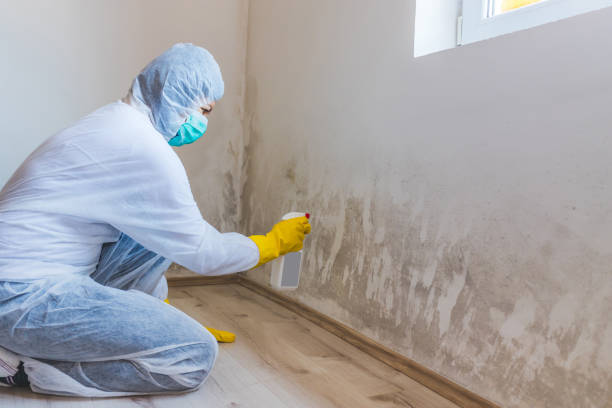
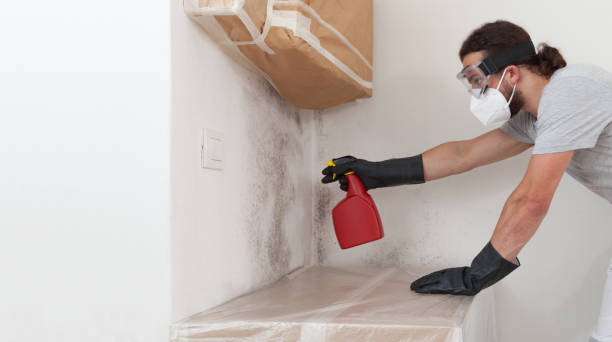
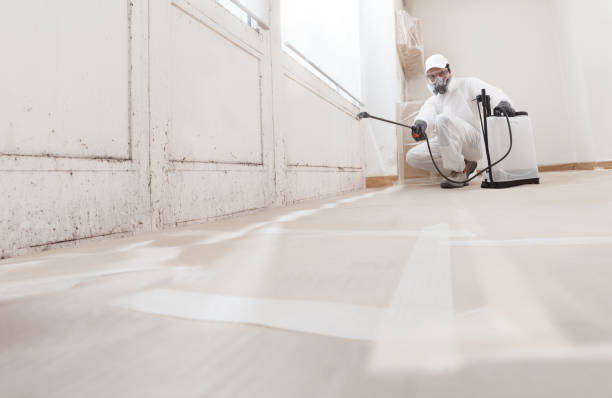
Every bathroom mold scenario covered with the right diagnostic workflow first.
🔍
Bathroom Mold Investigation & Source Identification
Systematic investigation: moisture readings at shower walls, floor at pan perimeter, toilet base, under sink. Borescope through wall cavities. Exhaust fan flow measurement. Written findings before any demolition.
🚿
Shower & Tub Surround Mold Remediation
Surface grout mold, backer board mold, and cavity mold behind shower walls are three distinct situations requiring different approaches. We identify which applies to your Queen Creek, AZ shower before proposing any tile removal or wall opening.
💧
Subfloor Mold Removal — Toilet Leaks & Shower Pan Failure
A slow toilet wax ring leak or cracked shower pan can saturate subfloor material for months before any visible symptoms appear above the surface. By the time vinyl or tile shows staining or soft spots, the subfloor below often has significant mold growth. Our Queen Creek, AZ team removes contaminated subfloor sections, treats remaining structural material, and specifies the appropriate replacement — SBC, CPP, or cement backer depending on application.
🔢
Exhaust Fan Assessment & Upgrade Recommendation
We measure your bathroom fan's actual CFM output and compare it to the square footage requirement. An undersized or blocked exhaust fan is often the cause of ceiling and wall mold in Queen Creek bathrooms — a fan upgrade is the lowest-cost, highest-impact prevention step.
🌟
Ceiling Mold — Condensation & Leak Sources
Bathroom ceiling mold occurs in two distinct scenarios: condensation from chronic inadequate ventilation (which leaves a diffuse, widespread pattern on the ceiling surface), and drip from a bathroom above (which creates a concentrated pattern tracing the path of the drip). Our Queen Creek, AZ team distinguishes between these, addresses the correct source, and remediates accordingly — surface treatment for condensation mold, cavity investigation and source repair for drip sources.
📄
Post-Remediation Clearance & Documentation
Independent post-removal air sampling before any reinstallation begins. Written clearance report confirms the mold is gone before new materials go in.